
Livraison en 48h - Expéditions les lundi, mercredi & vendredi
Subcategories
-
Dionaea
Dionaea muscipula , the famous "flytrap" plant, is the iconic carnivorous plant. Native to temperate bogs, it closes its traps when an insect touches its sensitive cilia. At karnivores.live , we select vigorous plants with vibrant colors and varied trap shapes, suitable for both beginners and collectors.
To successfully cultivate them, provide plenty of light, a poor, acidic substrate, and always water with demineralized water. Outdoors, the Venus flytrap appreciates a cool winter dormancy; indoors, opt for very bright light (south-facing window, greenhouse, or grow lights). Below you will find our selection tips and useful links to our featured varieties and practical guides on the blog.
How to choose your Dionaea?
- Light: very sunny location.
- Water: only rainwater, reverse osmosis or demineralized water.
- Substrate: Special mix for carnivorous plants.
- Winter: a period of rest in cool conditions, particularly recommended for robust plants.
- Varieties: red ('Akai Ryu'), large traps ('Big Mouth'), special tooth shapes ('Fused Tooth').
To discover
Key varieties: Dionaea 'Akai Ryu' · Dionaea 'Big Mouth' · Dionaea 'Fused Tooth'
Practical guides: Why won't my Venus flytrap close its traps anymore? What type of water should I use for carnivorous plants? Overwintering carnivorous plants: how to do it?
-
Drosera
Sundews (Drosera ): sticky plants with glossy tentacles, perfect for beginners and for natural fungus gnat control. Discover our carefully cultivated selection on karnivores.live. We favor vigorous plants with true-to-life forms, adapted to French growing conditions. For success, provide adequate light, low-mineral water, and an acidic, unfertilized substrate. Each product description specifies size, variety, and care instructions to help you choose the plant that's right for you.
Tips & criteria
- Light: very bright location (outdoors for hardy species).
- Water: only rainwater, reverse osmosis or demineralized water (never tap water).
- Substrate: unfertilized blonde peat + perlite/sphagnum moss depending on the species.
- Winter: rest in cool places for temperate species (e.g. Dionaea, Sarracenia).
- Repotting: in spring, without fertilizer, in a pot with drainage holes and a saucer.
To discover
Products: Drosera · Hybrid Drosera · Drosera Substrate
Guides: All about Drosera · What water to use? · Overwintering carnivorous plants
-

Pinguicula
Pinguicula : sticky leaves, excellent against midges, requires bright light and well-draining soil. Discover our carefully cultivated selection on karnivores.live. We favor vigorous plants with true-to-life forms, adapted to French conditions. For success, provide adequate light, low-mineral water, and an acidic, unfertilized substrate. Each product description specifies size, variety, and care instructions to help you choose the perfect plant for you.
Tips & criteria
- Light: very bright location (outdoors for hardy species).
- Water: only rainwater, reverse osmosis or demineralized water (never tap water).
- Substrate: unfertilized blonde peat + perlite/sphagnum moss depending on the species.
- Winter: rest in cool places for temperate species (e.g. Dionaea, Sarracenia).
- Repotting: in spring, without fertilizer, in a pot with drainage holes and a saucer.
To discover
Products: Pinguicula sp seeds · Substrate for Pinguicula
Guides: Pinguicula cuttings Pinguicula capture strategy · Growing tips for Pinguicula
-
Sarracenia
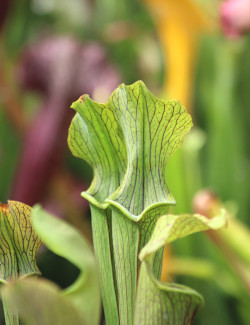
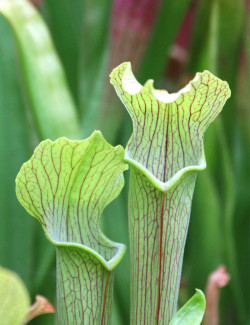
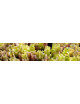
Sarracenia : spectacular carnivorous plants for outdoor use, very hardy, ideal for pots or mini-marshes. Discover our carefully cultivated selection on karnivores.live. We favor vigorous plants with realistic shapes, adapted to the French climate. For optimal growth, ensure they receive sufficient light, water with low mineral content, and an acidic, unfertilized substrate. Each product description specifies the size, variety, and care instructions to help you choose the perfect plant.
Tips and criteria
- Light: very bright location (outdoors for hardy species).
- Water: only rainwater, reverse osmosis water or demineralized water (never tap water).
- Substrate: unfertilized blonde peat + perlite/sphagnum moss depending on the species.
- Winter: rest in cool places for temperate species (e.g. Dionaea , Sarracenia ).
- Repotting: in spring, without fertilizer, in a pot with drainage holes and a saucer.
Discover
Products: Our hybrid Sarracenia · Sarracenia substrate · Our Sarracenia pourpre
Guides: All about Sarracenia · Conservation traps Sarracenia · Sarracenia growing guide
-
Darlingtonia
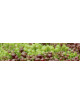
Darlingtonia : California cobra, prefers cool water and oxygenation, advanced cultivation. Discover our carefully cultivated selection at karnivores.live. We prioritize vigorous plants with true-to-life forms. For success, provide appropriate light, low-mineral water, and an acidic, unfertilized substrate.
Tips & criteria
- Lighting: very bright location.
- Water: only rainwater, reverse osmosis or demineralized water (never tap water).
- Substrate: unfertilized blonde peat + perlite/sphagnum moss.
- Winter: rest in the cool.
- Repotting: in spring, without fertilizer, in a pot with drainage holes and a saucer.
To discover
Products: Darlingtonia californica seeds · Darlingtonia plants · Special carnivorous plant mix
Guides: All about Darlingtonia californica · Darlingtonia californica in its natural habitat · Repotting carnivorous plants
-

Cephalotus
Carnivorous plant Cephalotus follicularis Carnivorous plant of the genus Cephalotus for sale on karnivores.live
Passive carnivorous plants, the rare Cephalotus follicularis which only grows in a very restricted area of Australia, is also particularly aesthetic.
Please note, our stock of this extraordinary plant is limited!
-
Seeds & seedling kits
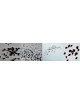
Seeds & Seedling Kits : For patient sowing, germination in cool conditions is possible depending on the species. Ready-to-use kits are available. Discover our carefully cultivated selection on karnivores.live. We prioritize vigorous plants with true-to-life forms, adapted to French growing conditions. For success, provide adequate light, low-mineral water, and an acidic, unfertilized substrate. Each product description specifies size, variety, and care instructions to help you choose the perfect plant for you.
Tips & criteria
- Light: very bright location (outdoors for hardy species).
- Water: only rainwater, reverse osmosis or demineralized water (never tap water).
- Substrate: unfertilized blonde peat + perlite/sphagnum moss depending on the species.
- Winter: rest in cool places for temperate species (e.g. Dionaea, Sarracenia).
- Repotting: in spring, without fertilizer, in a pot with drainage holes and a saucer.
To discover
Products: https://www.karnivores.live/fr/recherche?controller=search&s=Graines+&+kits+semis · https://www.karnivores.live/fr/recherche?controller=search&s=Graines+&+kits+semis+hybride · https://www.karnivores.live/fr/recherche?controller=search&s=Graines+&+kits+semis+substrat
Guides: Sowing Carnivorous Plants · Complete Guide to Carnivorous Plant Care · Sowing Cephalotus follicularis
-
Heliamphora
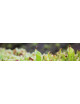
Heliamphora are pitcher-shaped carnivorous plants of the same family as Sarracenia . The genus is however rarer because of a much more restricted distribution, since they are found only on the high plateaus of Guyana and Venezuela (tepuys), as well as in the far north of Brazil, most often far from human activity.
-

Stylidium
-

Mini-clods
Mini-plugs : young plants for transplanting, an economical way to start a collection. Discover our carefully cultivated selection on karnivores.live. We favor vigorous plants with true-to-life forms, adapted to French growing conditions. For success, provide adequate light, low-mineral water, and an acidic, unfertilized substrate. Each product description specifies size, variety, and care instructions to help you choose the perfect plant for you.
Tips & criteria
- Light: very bright location (outdoors for hardy species).
- Water: only rainwater, reverse osmosis or demineralized water (never tap water).
- Substrate: unfertilized blonde peat + perlite/sphagnum moss depending on the species.
- Winter: rest in cool places for temperate species (e.g. Dionaea, Sarracenia).
- Repotting: in spring, without fertilizer, in a pot with drainage holes and a saucer.
To discover
Products: Our Drosera in mini-plugs · Our Dionaea in mini-plugs · Repotting mix for your carnivorous plants
Guides: What are mini-plugs? · Repotting carnivorous plants · All our advice on carnivorous plants
-

Beginners
Carnivorous plants for beginners
This beginners' category has been specially designed for those who want to discover carnivorous plants with complete peace of mind . Here you'll find a selection of easy-to-grow carnivorous plants , as well as complete kits and suitable accessories , designed to help you avoid common mistakes and succeed right from the start. Each product is chosen for its hardiness , tolerance , and ability to adapt to simple cultivation, even without prior experience.
Whether you're taking your first steps with a , a drosera Drosera capensis), or another carnivorous plant , this category guides you every step of the way. Clear growing guides, suitable substrates, and practical advice are provided: everything you need to learn the right techniques , understand essential needs (water, light, repotting, dormancy), and quickly gain confidence . An ideal entry point into the fascinating world of carnivorous plants.

mini-clods
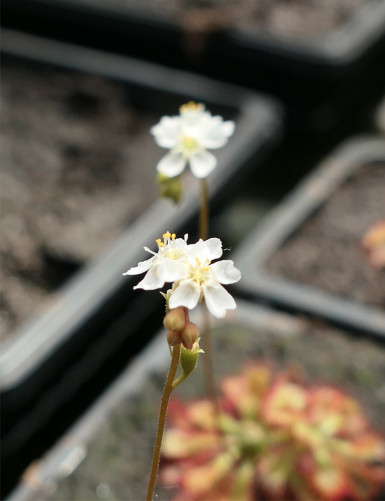
Drosera spatulata var. lovellae - Mini-mottesA small rosette sundew , Drosera spatulata is semi-erect during the growing season.
Its name comes from the shape of its spatula-shaped leaves....
€15.00
Price


mini-clods
Pinguicula weser - Mini-mothsNative to Mexico , this " sticky succulent " is a carnivorous plant that has good growth and is more robust than many other Pinguicula .
Resulting...
€13.00
Price
mini-clods
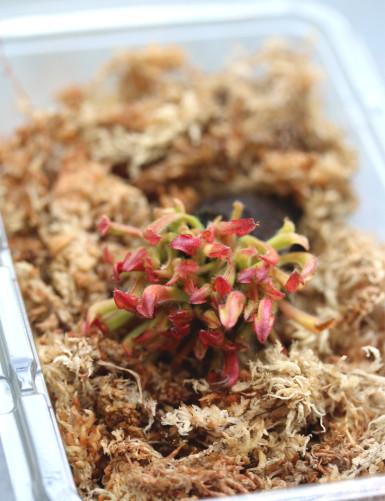
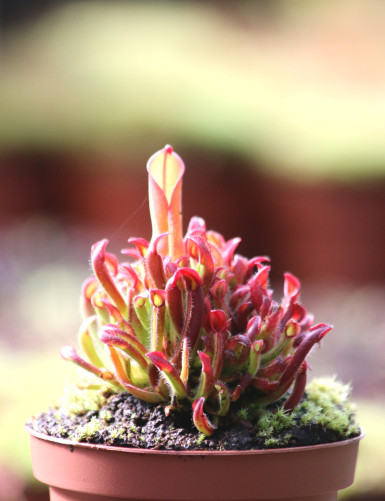
Heliamphora heterodoxa x Minor - Mini-mottesA carnivorous pitcher plant like Sarracenia , Heliamphora heterodoxa x Minor is native to the highlands of Guyana and Venezuela and the far north...
€15.50
Price


cephalotus
Cephalotus follicularis - Mini-mothsIt is a carnivorous plant that comes from South Australia . It reaches up to 50 cm in diameter and takes on its intense red coloring once well...
€17.00
Price
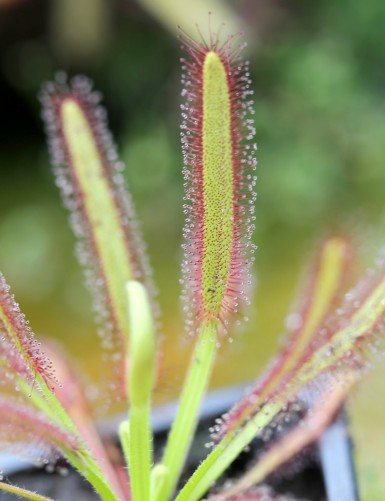
drosera
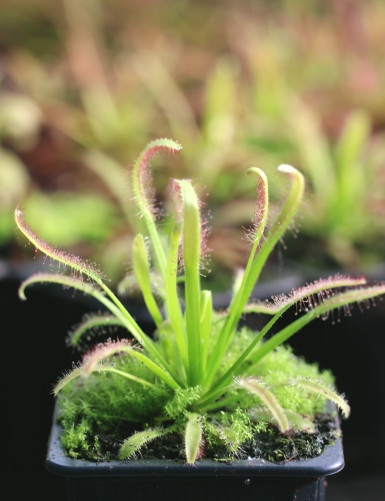
Drosera capensis compactaA carnivorous plant about ten centimeters tall, the Cape sundew is native to South Africa. It grows in a humid temperate climate and it is in full...
€9.00
Price
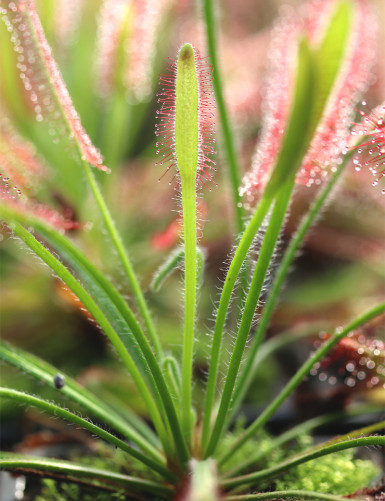

drosera
Drosera capensis 'hairy leaves'A superb carnivorous plant , Drosera capensis 'hairy leaves' develops more hairiness than Drosera capensis , as well as a higher quantity of sticky...
€8.00
Price