
Livraison en 48h - Expéditions les lundi, mercredi & vendredi
Cultivation techniques
Successfully growing a plant relies on mastering a few fundamental techniques. The choice of substrate, water quality, sowing method, and humidity management all directly influence the health and growth of the plants.
This section brings together all the FAQs dedicated to cultivation techniques, in order to provide you with precise and applicable answers, whether you are growing plants indoors, in a greenhouse or in a terrarium.
Mastering the technical basics
Each technique has its own specific characteristics and must be adapted to the type of plant being cultivated. You will find clear explanations here on:
- Sowing and germination
- The choice and preparation of substrates
- Watering and water quality
- Repotting and seasonal maintenance
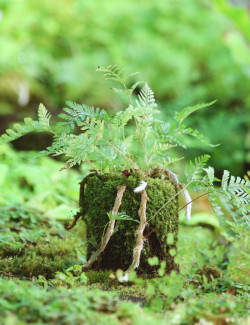
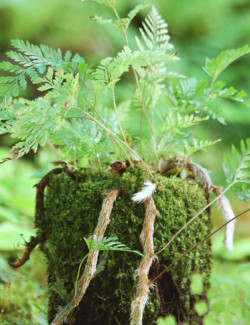
- The use of media such as xaxim
- Wintering and managing natural cycles
Understanding these parameters helps to avoid common mistakes and to sustainably optimize your growing conditions.
Adapt the techniques to your environment
The needs may vary depending on whether the plant is grown indoors, in a tropical terrarium, or in a greenhouse. Each technical FAQ helps you adjust your practices according to your setup and the equipment used.
Choose the technique that interests you below to access detailed answers.
To go further
You can also consult our sections dedicated to plant-specific cultivation advice or to problems & solutions to delve deeper into a specific point.
Subcategories
-

Xaxim: usage and...
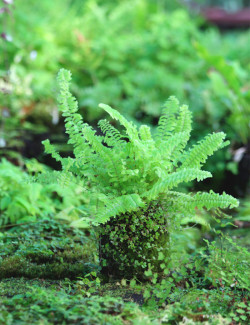
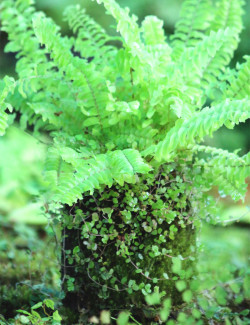
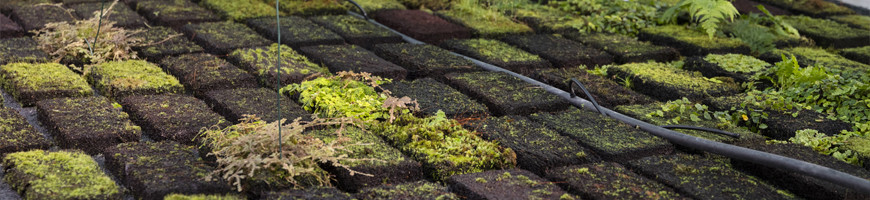
Xaxim is a natural substrate used in tropical cultivation and terrariums. It helps to anchor plants and maintain constant humidity around the roots, in conditions close to their natural environment. At Karnivores, we have been using it in cultivation since 2002, particularly for the production and acclimatization of plants in humid environments.
Understanding xaxim
1 - What is xaxim?
Xaxim is a fibrous growing medium used in tropical plant cultivation. Its structure allows it to retain water while remaining aerated, making it suitable for plants requiring high humidity.
2 - Why use xaxim in cultivation?
Xaxim is used to fix plants to a vertical or decorative support. It helps maintain stable humidity and promotes the long-term establishment of plants in humid environments.
3 - In what cases should xaxim be used?
Xaxim is primarily used in terrariums, greenhouses, or tropical cultivation. It is suitable for environments where humidity is controlled and relatively high.
Install plants on xaxim
4 - How to prepare the xaxim before use?
Before use, the xaxim must be thoroughly moistened. It is recommended to water or rehydrate it so that it regains its ability to retain water.
5 - How to fix a plant onto xaxim?
The plant is positioned directly on the support and held in place while it establishes itself. A temporary fix helps stabilize the plant during the recovery phase.
6 - Should sphagnum moss be added?
Adding sphagnum moss improves moisture retention at the root level. It is often used during planting to facilitate plant recovery.
7 - Where to install a support in xaxim?
The xaxim plate must be placed in a humid environment, such as a terrarium or greenhouse. In dry conditions, it quickly loses its effectiveness.
8 - Can xaxim be fixed with silicone?
Yes, Xaxim can be attached to a surface, particularly in a terrarium, using a silicone sealant suitable for aquatic or terrarium use. After applying the silicone, Xaxim fibers and powder can be sprinkled over the visible areas to conceal the adhesive and achieve a more natural look.
Maintaining xaxim support
9 - How to water the xaxim?
The xaxim plant must be kept moist. Watering should be regular, using water suitable for growing carnivorous plants.
10 - Does the xaxim need to remain constantly moist?
Xaxim should not remain dry for too long. Regular moisture is necessary to maintain its properties and allow for proper plant growth.
11 - Does xaxim degrade over time?
Xaxim evolves slowly over time. Its durability depends on growing conditions and the environment in which it is used.
12 - Can xaxim be reused?
A xaxim support can be reused if it remains in good condition. It can be re-moistened before reuse.
13 - What are the common problems with xaxim?
The main problems are related to insufficient humidity or unsuitable growing conditions. Xaxim is only an effective growing medium if the environment is controlled.
To go further
Xaxim is often used with other substrates or materials to maintain good humidity. You can supplement your setup with elements suitable for terrarium cultivation or tropical environments.
-

What type of water...
Water is the most important factor in carnivorous plant cultivation. Inappropriate water quickly leads to weakening and then death of the plant. In cultivation, water quality is often more critical than light or substrate.
Understanding water needs
1 - Why is water so important for carnivorous plants?
Carnivorous plants are adapted to environments poor in minerals. They cannot tolerate water loaded with limestone or mineral salts, which accumulate in the substrate and disrupt their functioning.
2 - What is the main cause of water-related mortality?
Most losses are due to the use of tap water. Even when it seems fine, it generally contains too many minerals for long-term use.
Types of water to use
3 - What is the best water for carnivorous plants?
Rainwater is the benchmark. It is naturally low in minerals and corresponds to the conditions found in their natural environment.
4 - Can demineralized water be used?
Yes, provided it is suitable for horticultural use. It must be free of minerals and additives.
5 - Is reverse osmosis water suitable?
Osmosis water is perfectly suitable. It is very low in minerals and allows for precise control of the quality of the water used.
Waters to avoid
6 - Can we use tap water?
No, except in very specific cases. In the vast majority of situations, it is too high in limestone and causes a harmful accumulation in the substrate.
7 - Is bottled water a good alternative?
No. Most bottled waters contain minerals and are not suitable for growing carnivorous plants.
Adjust the watering
8 - Should you only water from the bottom?
Watering from below is often used, especially for plants grown in pots. It allows for consistent moisture without leaching the substrate.
9 - Is it safe to spray water on plants?
Yes, especially in dry environments. This allows for a localized increase in humidity, but it does not replace proper watering.
10 - Does the water need to be changed regularly?
Stagnant water must be renewed regularly to prevent any accumulation of minerals or deposits in the substrate.
Going further in culture
11 - What is the relationship between water and substrate?
A suitable substrate is not enough if the water is of poor quality. Even a good substrate can become unsuitable for cultivation if the water used is too mineralized.
12 - How can we tell if the water is a problem?
Blackening leaves, stunted growth, or general decline can be linked to unsuitable water. The problem is often gradual but irreversible in the long term.
To go further
Water management is inextricably linked to the substrate and growing conditions. To supplement this basic information, you can also consult our guides dedicated to substrate selection, xaxim cultivation , and watering techniques.
-

What substrate is...
The substrate is a crucial element in cultivation. Carnivorous plants naturally grow in very poor environments. An unsuitable substrate quickly leads to decline, even if other conditions are correct.
Understanding substrate requirements
1 - Why is the substrate so important?
The substrate determines the balance between humidity and aeration. Carnivorous plants need a nutrient-poor environment that can retain water without suffocating the roots.
2 - Can regular potting soil be used?
No. Conventional potting soils are too rich and contain fertilizers. They cause an imbalance and can burn the roots.
3 - What is the principle of a good substrate for carnivorous plants?
A good substrate should be low in minerals, retain water, and remain aerated. It should closely resemble the natural conditions in which these plants grow.
Suitable substrates
4 - What is the most commonly used substrate?
The most common mixture consists of blonde peat combined with a drainage material. It helps maintain constant moisture while preventing compaction.
5 - Can sphagnum moss be used?
Yes. Sphagnum moss is particularly well-suited for retaining moisture and promoting recovery. It is often used alone or as part of a soil mix.
6 - Are ready-to-use substrates suitable?
Yes, provided they are specifically designed for carnivorous plants. They help prevent composition errors.
Adapt the substrate to the crop
7 - Should the substrate be adapted according to the plant?
Yes. Some species tolerate more aerated substrates, while others require a more humid environment. It is important to adapt the mix to the plant's needs.
8 - Does the substrate need to be renewed?
Yes. Over time, the substrate degrades and loses its nutrients. Replenishing it helps maintain good growing conditions.
9 - What is the relationship between substrate and water?
A good substrate cannot compensate for unsuitable water. Even a proper mix becomes problematic if the water used is too mineralized.
Mistakes to avoid
10 - Can fertilizer be added to the substrate?
No. Carnivorous plants are adapted to poor environments and do not need fertilizer in the substrate.
11 - Is a substrate that is too compact a problem?
Yes. A compact substrate limits aeration and promotes root rot.
12 - Can different substrates be mixed without precautions?
No. An unbalanced mixture can become unsuitable. It is best to use tried and tested compositions.
To go further
The choice of substrate is closely linked to water quality and watering conditions. To supplement this information, you can consult our guides dedicated to water and watering.
-

How to repot a...
Repotting is an important step in the cultivation of carnivorous plants. When done correctly, it provides the plant with a healthier substrate, better root development, and improved growing conditions.
Contrary to popular belief, it is not always necessary to repot a carnivorous plant immediately. It all depends on its condition, its substrate, and its growth stage.
When should you repot a carnivorous plant?
1 - Should you repot a carnivorous plant after buying it?
Not always. If the plant is well established in a suitable substrate, it is not always necessary to intervene immediately.
On the other hand, if you want to have it in a larger pot, repotting may be beneficial at that time since the plant has already been jostled by transport.
2 - When is the best time to repot a carnivorous plant?
Repotting is best done at a time when the plant is re-established. The goal is to avoid unnecessarily disturbing a plant that is already stressed or struggling.
A healthy plant generally recovers better after proper repotting.
3 - How do you know if a carnivorous plant needs to be repotted?
A compacted, degraded, or poorly drained substrate can be a good indicator. Slowed growth or a plant that appears less vigorous can also warrant inspection.
Repotting is not an automatic action, but a useful tool when it becomes necessary.
How to properly repot a carnivorous plant?
4 - What substrate should be used to repot a carnivorous plant?
A poor-quality substrate, suitable for carnivorous plants and compatible with the cultivated species, must be used. A good substrate promotes both humidity and aeration.
An unsuitable mix can quickly harm the plant after repotting.
5 - Should all the old substrate be removed?
Careful handling is necessary. The goal is to manipulate the plant cleanly without unnecessarily damaging the roots.
Repotting too abruptly can slow recovery, especially in some more sensitive species. Therefore, using repotting tweezers can help to do things properly.
6 - Should you water after repotting?
Yes, with suitable water. This allows the new substrate to be properly moistened and helps the plant to re-establish itself correctly.
Watering should remain consistent with the plant's usual needs.
7 - Can all carnivorous plants be repotted in the same way?
No. Some species tolerate repotting well, while others require more care.
It is therefore important to adapt the technique to the plant in question and its root system.
Common mistakes when repotting
8 - Is a pot that is too big a good idea?
Not necessarily. An oversized pot isn't always an advantage and can complicate moisture management.
It is best to choose a container that is suitable for the plant and its growth rate.
9 - Can regular potting soil be used?
No. Carnivorous plants need a specific substrate. Regular potting soil is generally unsuitable for growing them.
This is a common mistake that can quickly weaken the plant.
10 - Should you repot a weak or stressed plant?
Not always. If the plant is already very weak, you should avoid adding unnecessary stress unless the substrate is clearly the problem.
In some cases, stability is preferable to a hasty intervention.
11 - Why does my plant look less beautiful after repotting?
A slight slowdown after repotting is common. The plant sometimes needs time to settle back in and regain its rhythm.
This is not necessarily a sign of failure.
12 - How often should a carnivorous plant be repotted?
There is no single rule. It depends mainly on the condition of the substrate, the plant's growth, and its growing conditions.
The important thing is to repot at the right time, not too often.
Successfully repotting a carnivorous plant
Repotting allows you to start fresh when the substrate becomes less suitable or when the plant truly needs it. Done properly, with the right substrate and without excessive handling, it often improves the plant's health in the long run.
The key is to avoid unnecessary actions, unsuitable substrates, and overly aggressive repotting. A carnivorous plant that has been properly repotted generally recovers more easily under good conditions.
-
Sowing carnivorous...
Sowing carnivorous plants allows you to obtain young plants from carnivorous plant seeds, but it primarily requires patience and good growing conditions. It's an interesting method for discovering the complete life cycle of these plants, but also a more delicate step than buying a fully grown plant.
A successful start to sowing relies primarily on a few simple principles: a suitable substrate, good moisture levels, adequate light, and consistent care. Using a mini-greenhouse often helps to better stabilize conditions at the beginning.
Successfully sowing carnivorous plants
1 - Can carnivorous plants be easily sown?
Yes, but results vary depending on the species and growing conditions. Some seeds germinate quite easily, others require more patience or more specific conditions.
Sowing remains an accessible method, provided it is done regularly and steps are not skipped.
2 - What is the best time to sow seeds?
Sowing is best done during a period favorable to germination and the growth of young seedlings. The aim is to provide them with good conditions from the start.
Stable conditions are often more important than the exact date.
3 - What substrate should be used for sowing seeds?
A poor, clean substrate suitable for carnivorous plants must be used. A substrate that is too rich or unsuitable generally gives poor results.
Sowing requires a light, moist substrate that is compatible with young roots.
4 - Should the seeds be covered?
It depends on the species and the size of the seeds. In practice, many carnivorous plant seeds are sown on the surface or very lightly covered.
The important thing is to avoid unnecessarily burying very fine seeds, such as some carnivorous plant seeds.
Germination conditions
5 - What level of humidity is needed for sowing?
The substrate must remain consistently moist. Drying out at the wrong time can compromise germination. Check our guide on how to water your carnivorous plants for good practices once your seedlings are established.
However, excesses that promote problems in the long run should be avoided.
6 - What kind of light is needed for seeds to germinate?
Good light is important from the start. Sowing in too dark a location often results in weak or irregular seedlings.
The light must be sufficient without creating overly harsh conditions.
7 - What temperature is needed for successful sowing?
The temperature must remain consistent and stable. Significant fluctuations or unsuitable conditions often slow down germination.
The most important thing is consistency.
8 - How long does it take for seeds to germinate?
Germination can be rapid or slow depending on the species and conditions. Patience is often required, and it's important to avoid prematurely concluding that the attempt has failed.
Sowing carnivorous plants almost always takes time.
After germination
9 - When should you open or ventilate the seedlings?
Ventilation becomes important as soon as the young seedlings are clearly visible. A prolonged period of overly confined space should be avoided.
The opening must remain gradual so as not to create sudden stress.
10 - When should young plants be transplanted?
Transplanting takes place when the young plants are sufficiently developed to be handled without too much risk.
Intervening too early often weakens the seedlings.
11 - Should young plants grown from seed be fed?
No, not initially. Young seedlings primarily need good growing conditions to develop properly.
Feeding is not a priority at this stage.
12 - Why isn't my seedling working?
The most frequent causes are an unsuitable substrate, lack of light, poorly managed humidity, or excessively unstable conditions.
In many cases, it is not the seed alone that is the problem, but the growing environment.
Successfully sowing carnivorous plants
Sowing seeds is an excellent way to discover carnivorous plants, but it requires more patience than cultivating an established plant. Simple, clean, and stable conditions often yield better results than excessive manipulation.
The key is to proceed step by step, without rushing. Successful sowing relies primarily on regularity, light, and a suitable substrate.
Growing guide and tips | Growing techniques
-

Semis de Tillandsia :...
Sowing Tillandsia seeds allows you to obtain many plants from a single seed capsule. Although this method requires patience, it remains accessible to both beginners and experienced collectors. Here are the answers to the most common questions about successful Tillandsia seed germination.
Growing Conditions
1 - How do you sow Tillandsia seeds?
Simply place the seeds on the surface of a moist support. There is no need to cover them. Then place the sowing tray in a bright, warm and humid environment to encourage germination.
2 - What support should be used for Tillandsia seeds?
Rehydrated sphagnum moss is one of the most commonly used supports. Aquanappe, horticultural fleece or mosquito netting kept moist can also be used.
3 - Do Tillandsia seeds need soil?
No. Tillandsias are epiphytic plants. The seeds should simply be placed on a moist support without being buried.
4 - What temperature is best for germination?
Most species germinate well between 20°C and 28°C (68°F to 82°F). However, some species from mountainous regions may prefer slightly cooler conditions.
5 - What kind of light do seedlings need?
Seedlings require bright light without excessive direct sunlight. A bright windowsill or gentle horticultural lighting works very well.
Germination and Growth
6 - How long does it take for Tillandsia seeds to germinate?
Depending on the species and growing conditions, germination may occur within a few days or take several months.
7 - How should Tillandsia seedlings be watered?
The support should remain moist but not waterlogged. Regular misting with soft water is usually sufficient to maintain adequate humidity.
8 - Should a mini greenhouse be used?
A mini greenhouse helps maintain high humidity levels and often improves germination success.
9 - When should the mini greenhouse be removed?
Once the young seedlings are well established and growing steadily, ventilation can be gradually increased before completely removing the cover.
10 - When do young Tillandsias become independent?
Young plants gradually become more resilient after several months of growth. They can then be grown like mature plants while still benefiting from careful humidity management.
Problems and Advice
11 - Why are my Tillandsia seeds not germinating?
The most common causes are insufficient humidity, unsuitable temperatures, a support that dries out too quickly or seeds that are too old.
12 - How long does it take to obtain an adult plant?
Tillandsias grow slowly even when using a suitable fertilizer. Depending on the species, it may take several years before a plant reaches maturity and flowers.
Successfully Growing Tillandsia from Seed
For the best results, use high-quality seeds, maintain consistent humidity, avoid stagnant water and provide bright growing conditions. Patience is essential, as young Tillandsias develop slowly but offer the rewarding experience of observing the complete life cycle of these fascinating bromeliads.
-
Sphaigne déshydratée :...
Dehydrated sphagnum moss is a natural growing medium widely used for carnivorous plants, Nepenthes, orchids and many epiphytic plants. Light and airy once rehydrated, it retains water efficiently while allowing air to circulate around the roots. However, choosing, preparing and using it correctly is essential to get the best results.
Understanding dehydrated sphagnum moss
1 - What is dehydrated sphagnum moss?
Dehydrated sphagnum moss is sphagnum that has been harvested and dried to make it easier to store and transport. Before use, it is rehydrated so that it regains its flexibility and much of its original volume.
2 - What is the difference between dehydrated sphagnum moss and live sphagnum moss?
Live sphagnum moss continues to grow when provided with suitable growing conditions. Dehydrated sphagnum moss is mainly used as a growing medium, either on its own or mixed with other materials. The two products therefore have different uses.
Why use dehydrated sphagnum moss?
3 - What are the benefits of dehydrated sphagnum moss?
Sphagnum moss has an excellent water-holding capacity while maintaining a light and highly aerated structure. It helps maintain high moisture levels around the roots without creating a compact growing medium, making it particularly suitable for plants with fine or delicate root systems.
4 - Which plants can be grown in dehydrated sphagnum moss?
It is particularly suitable for tropical carnivorous plants, especially Nepenthes, as well as orchids, bromeliads and many epiphytic plants. It can also be used for certain cuttings or to improve the water-holding capacity of a growing mix.
5 - Can a plant be grown in pure sphagnum moss?
Yes, some plants can be grown in pure sphagnum moss. This is particularly true for many Nepenthes and certain epiphytic plants. For other species, sphagnum moss can be mixed with more free-draining materials to adjust moisture retention and aeration to the plant's requirements.
Preparing and using sphagnum moss
6 - How do you rehydrate dehydrated sphagnum moss?
Place the required amount in a clean container and gradually add low-mineral water. Allow the sphagnum moss to absorb the water and expand for approximately 10 to 15 minutes, then gently squeeze out the excess water before use. It should remain moist without dripping.
For the complete method, see our detailed article on preparing and rehydrating dehydrated sphagnum moss.
7 - What type of water should be used to rehydrate sphagnum moss?
Rainwater, reverse osmosis water or suitable demineralized water should preferably be used. Hard water or water with a high mineral content can gradually cause mineral salts to accumulate in the sphagnum moss.
8 - Should sphagnum moss be packed tightly into the pot?
No. Sphagnum moss should remain relatively loose and airy. Packing it too tightly reduces the spaces between the fibres, restricts air circulation and removes one of the main advantages of this growing medium.
9 - Should sphagnum moss be rinsed before use?
This is generally not necessary. However, lightly rinsing it with low-mineral water can be useful if the sphagnum contains a significant amount of dust or small particles. It should then be gently squeezed without damaging the fibres.
Choosing dehydrated sphagnum moss
10 - Are all dehydrated sphagnum mosses the same?
No. Quality can vary depending on origin, fibre length and consistency, the amount of dust present and how well the material maintains its structure over time. Long-fibre sphagnum moss generally retains a more aerated structure and is easier to use as a growing medium.
11 - What is the difference between Chilean, New Zealand and Madagascar sphagnum moss?
Sphagnum moss from different origins can vary in fibre length, consistency, water absorption and durability. Chilean sphagnum moss offers an excellent balance between structure, aeration, water-holding capacity and durability.
For a detailed comparison, see our article: dehydrated sphagnum moss: New Zealand, Chile or Madagascar – which one should you choose?
12 - How can you identify good-quality dehydrated sphagnum moss?
Good-quality sphagnum moss has relatively long, clean and minimally fragmented fibres. It contains little dust, expands well after rehydration and maintains a loose, airy structure when used in a pot.
Storage and lifespan
13 - How long can dehydrated sphagnum moss be stored?
When kept dry and protected from moisture under suitable storage conditions, dehydrated sphagnum moss can be stored for a long time. It is best to rehydrate only the amount required for each use.
14 - When should sphagnum moss be replaced in a pot?
Over time, the fibres gradually break down and the sphagnum moss becomes more compact. When it loses its airy structure, becomes heavily decomposed or retains excessive amounts of water, it is best replaced when repotting the plant.
Where to buy dehydrated sphagnum moss?
15 - Which dehydrated sphagnum moss should you choose for growing plants?
For carnivorous plants, Nepenthes, orchids and epiphytic plants, choose clean sphagnum moss with sufficiently long fibres and a low dust content. We offer dehydrated sphagnum moss as well as high-quality Chilean sphagnum moss for horticultural use.
To go further
For more detailed information about this growing medium, read our complete guide to dehydrated sphagnum moss and its uses in cultivation, our method for preparing and rehydrating dehydrated sphagnum moss, and our comparison of sphagnum moss from different origins.
-
Overwintering...
Overwintering carnivorous plants means adapting protection from the cold, light, and watering to suit each species. Here are the answers to the main questions to help you get through this delicate period and prepare a strong comeback in spring.
Winter dormancy
1 - What is winter dormancy in carnivorous plants?
Dormancy is a natural vegetative rest that allows many carnivorous plants to conserve their reserves and survive unfavourable conditions. During this period, growth slows down significantly, insect trapping decreases, and it's normal to see a reduction or partial loss of leaves depending on the species.
Cold tolerance by species
2 - Do Sarracenia and Darlingtonia tolerate frost?
Yes, these species generally have nothing to fear from frost. Their tolerance threshold is high, but Sarracenia remain more or less hardy depending on the species: S. purpurea, the most northerly, can stay literally frozen for several weeks, while S. leucophylla, from further south, can be weakened by strong, prolonged frost, especially in a small pot. Darlingtonia aren't afraid of frost either.
3 - How do you protect Dionaea in winter?
Venus flytraps grow at roughly the same latitudes as Sarracenia and need similar protection. A large pot sheltered from rainfall, wrapped in bubble wrap during prolonged frost, is usually enough to protect them effectively.
4 - Should Drosera be brought indoors in winter?
No, it's better to gradually acclimatise Drosera to outdoor cold than to bring them into a dry, heated indoor space, which would weaken them further. Placing the pots against a wall, sheltered from the wind, is usually enough to protect them from light frost. In colder conditions, wrap the pots in bubble wrap to stop the soil from freezing deep down. An unheated conservatory or a garage with supplementary lighting are good alternatives. European Drosera such as D. intermedia and D. rotundifolia have a hardiness comparable to Sarracenia.
5 - Does Cephalotus need winter coolness?
Cephalotus can be kept in a terrarium year-round, but a few cooler months encourage flowering and the production of larger traps.
6 - Should tropical carnivorous plants be brought indoors?
Yes. Plants of tropical origin (Nepenthes, Heliamphora, Genlisea, Catopsis) should stay indoors during winter. Mexican Pinguicula, such as P. 'Sethos', ideally prefer a cool, dry environment, but between freezing outdoor conditions and a heated indoor space, indoors remains preferable.
Signs and best practices
7 - What signs indicate winter stress?
Some signs are normal during winter and not a cause for concern: smaller traps, duller or washed-out colours, slower growth, a temporary halt in new leaf production. These reactions are usually temporary and part of the plant's natural adaptation to the cold.
8 - What are the best practices for overwintering carnivorous plants?
Ensure good light even when days are short, maintain a stable temperature suited to each species, reduce watering during dormancy, and protect the most sensitive species (cold frame, conservatory, bubble wrap).
Successfully overwintering your carnivorous plants
By respecting each species' natural cycle — dormancy, cold tolerance and specific needs — you reduce the risk of winter stress and help your carnivorous plants come back strong in spring.
-

How to Water Your...
Beyond water quality, the watering method and frequency also play an important role in the health of your carnivorous plants. Here's how to do it properly.
The bottom-watering method
1 - What is bottom watering?
Bottom watering means watering from below: the pot is placed in a saucer filled with water, which rises through the substrate by capillary action and irrigates the roots. This is the most commonly recommended method for carnivorous plants.
2 - Why is watering from below preferred?
It avoids several drawbacks: accidental closing of Dionaea traps on contact with water, washing away the sticky dew of Drosera which makes them less effective and less attractive, and splashing substrate onto foliage that's often close to the ground.
3 - Is watering from above dangerous for the plant?
No, it's not dangerous in itself: in their natural habitat, carnivorous plants receive rain directly from above. It's mainly a matter of aesthetics and ease of care, not the plant's survival.
Frequency and quantity
4 - How much water should go in the saucer?
Fill the saucer with 1 to 2 cm of water, then let it empty completely before refilling it, rather than keeping a constant water level at all times.
5 - Should watering differ by season?
Yes. From spring through autumn, during the active growing period, watering should be more generous and regular. In winter, during dormancy, watering should be clearly reduced, simply keeping the substrate moist, with no standing water in the saucer.
6 - How can I tell if I'm watering enough?
The substrate should stay consistently moist throughout the growing season, never fully drying out, but also not permanently waterlogged.
Special cases
7 - Should carnivorous plants be misted?
This is mainly useful for tropical species that enjoy high ambient humidity, but it isn't necessary for most species grown in pots with standard bottom watering.
8 - Is watering the same for every species?
The general principles (suitable water, bottom watering, reduced winter watering) apply to most species, but some have specific needs regarding water level or constant humidity. Check the growing tips for each plant for its particularities.
Watering your carnivorous plants well
Bottom watering with suitable water remains the most reliable and practical method. By adjusting frequency to the season, you avoid both overwatering and underwatering, two common causes of decline in carnivorous plants.
Growing guide and tips | What water to use | Cultivation techniques
-

Should you feed your...
This is one of the most common questions among new carnivorous plant owners: should you feed them? The answer is generally no, and understanding why prevents a lot of mistakes.
Understanding natural feeding
1 - Does a carnivorous plant need to be fed?
No, generally not. A healthy plant, placed somewhere sufficiently bright, spontaneously captures the insects it needs to supplement its photosynthesis. This is the case, for example, with Utricularia, whose suction traps allow it to feed entirely on its own. Human intervention isn't necessary.
2 - Why do carnivorous plants capture insects?
They naturally grow in soils very poor in nitrogen and phosphorus. Capturing insects allows them to make up for this nutritional deficit, in addition to standard photosynthesis.
The risks of overfeeding
3 - Can you overfeed a carnivorous plant?
Yes, and it's one of the most common beginner mistakes. Giving too many insects or unsuitable prey can cause traps to rot and encourage mould to appear.
4 - Can a trap wear out from being triggered too often?
Yes, particularly in Dionaea: each trap can only close a limited number of times (around five to seven) before dying off naturally. Triggering it needlessly, just to watch the mechanism, uses up this capital for nothing.
5 - Can you give a carnivorous plant meat or cheese?
No, definitely not. These foods don't match what the plant can efficiently digest and risk causing the trap to rot rather than being absorbed.
If you want to feed occasionally
6 - What type of prey should be given?
Choose a live insect of a suitable size: ideally, it shouldn't exceed a third of the trap's size. A dead insect doesn't trigger digestive enzyme production in Dionaea, which wastes energy for nothing.
7 - How often can you feed occasionally?
Very rarely, only as an exception or for educational purposes. It's never necessary for the plant's survival if it's grown in good light conditions.
8 - Should you feed during dormancy?
No. During winter dormancy, the plant significantly slows its activity and needs no insect intake at all.
Feeding your carnivorous plant well (or not)
In the vast majority of cases, a carnivorous plant that's well exposed to light manages on its own. Manual feeding remains the exception rather than the rule, and overfeeding is far riskier than underfeeding.