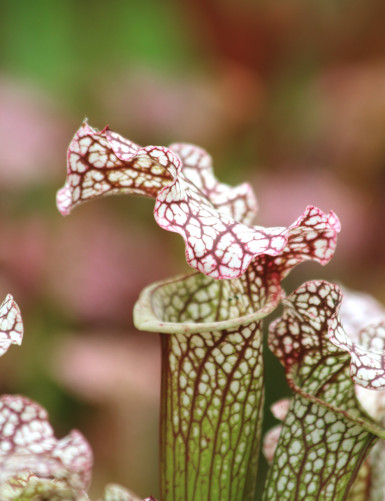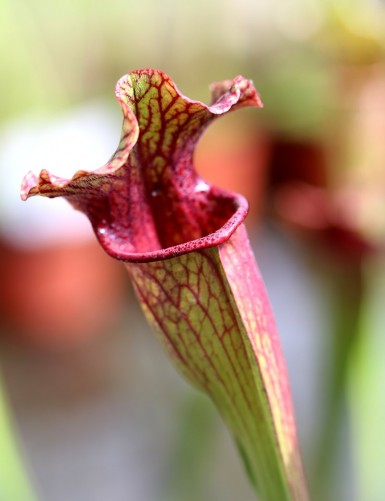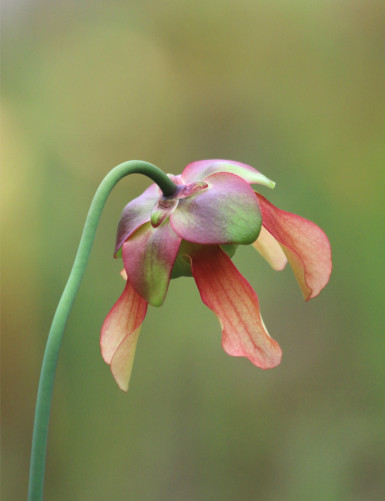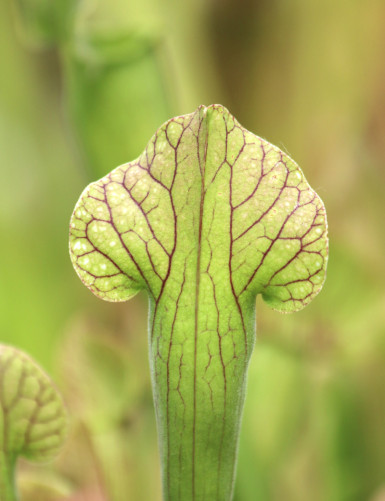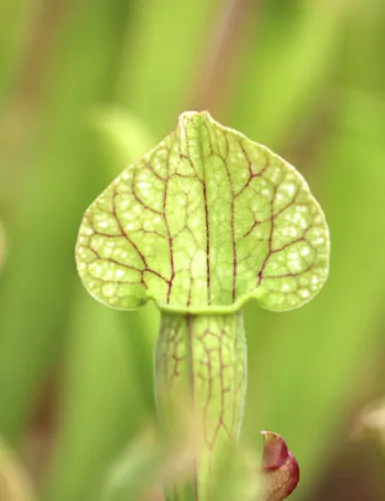

The pitchers of Sarracenia rubra , slender and a fine red, are topped with a slightly pointed lid. A sweet nectar, intended to attract and intoxicate insects, is produced at the entrance of the trap.
Easy to grow, like all Sarracenia , this carnivorous plant can be placed outdoors all year round.
From October to April (dormant period) , the plant's foliage partially disappears. Sarracenia rubra ssp. rubra is then delivered as a rooted rhizome in a pot, ready to regrow in the spring.
A plant that is dying is often due to unsuitable growing conditions. Consult our guide: Why is my carnivorous plant dying ?
.png) 3 shipments per week
3 shipments per week
Usual shipments on Mondays, Wednesdays and Fridays, subject to service constraints.
 Secure payment
Apple Pay, PayPal, Credit Card, Bancontact, Ideal, Check, Bank Transfer
 Packaging and cushioning
24 years of experience in packaging our plants. 100% recycled or reused.
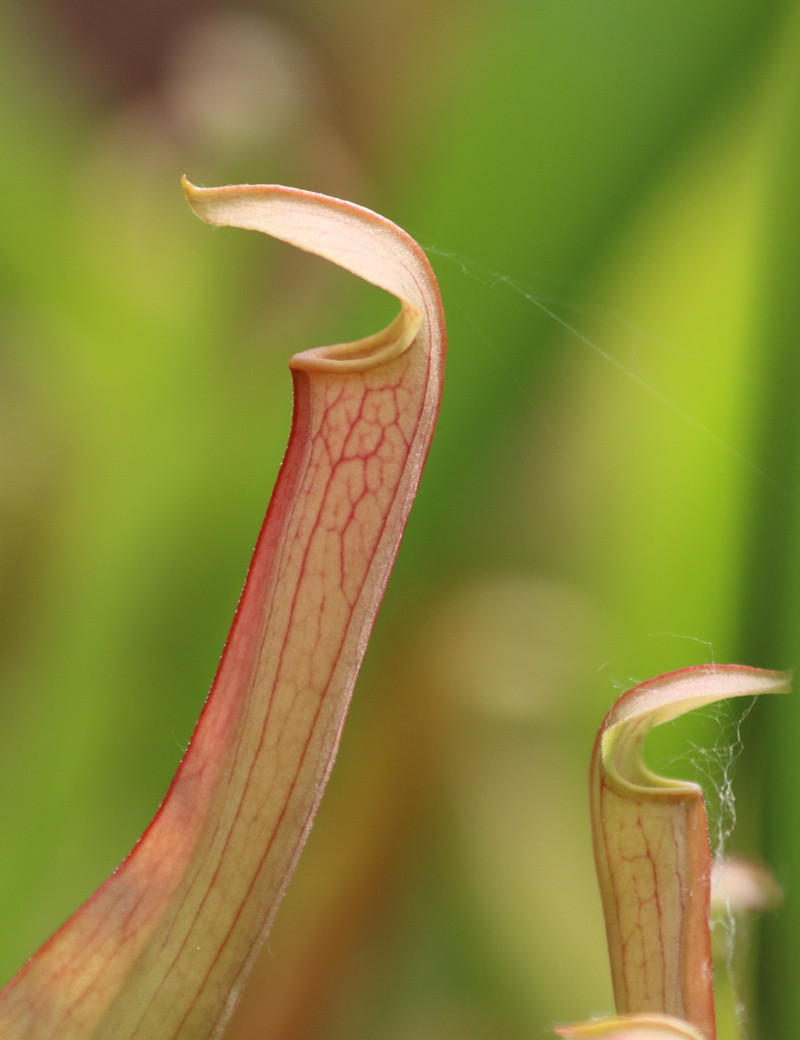
The pitchers of Sarracenia rubra , slender and a fine red, are topped with a slightly pointed lid. A sweet nectar, intended to attract and intoxicate insects, is produced at the entrance of the trap.
Easy to grow, like all Sarracenia , this carnivorous plant can be placed outdoors all year round.
From October to April (dormant period) , the plant's foliage partially disappears. Sarracenia rubra ssp. rubra is then delivered as a rooted rhizome in a pot, ready to regrow in the spring.
A plant that is dying is often due to unsuitable growing conditions. Consult our guide: Why is my carnivorous plant dying ?