
Livraison en 48h - Expéditions les lundi, mercredi & vendredi
Growing Guide & Tips
Growing Guide & Tips
Welcome to our growing guide and tips. This section gathers all the essential answers to successfully grow your plants, understand how they work, and avoid the most common mistakes.
Whether you are growing carnivorous plants, setting up a tropical terrarium, using sphagnum moss, xaxim or specific substrates, you will find clear, structured and directly applicable answers here.
Concrete and structured answers
Each page is organized as a FAQ with clear, concise, and directly applicable explanations. The goal is simple: to allow you to quickly obtain a reliable answer, without approximations or contradictory advice.
The guide is structured around four main themes to facilitate your navigation and provide a suitable answer to your needs:
- Getting started : the basics to get off to a good start, choose your first plant and avoid beginner mistakes.
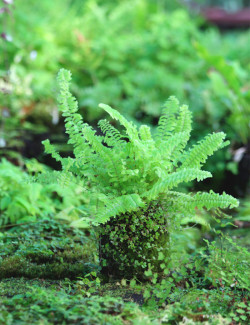
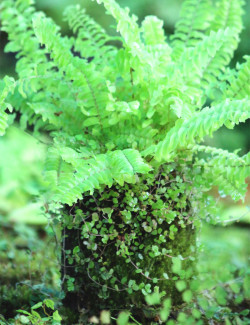
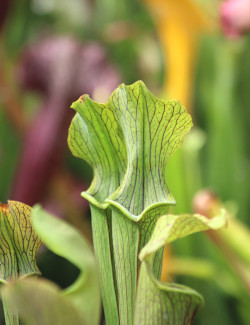
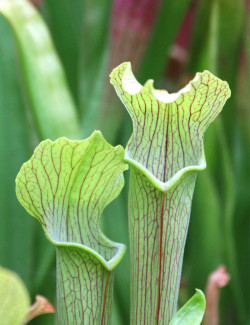
- By plant : specific advice for Dionaea, Drosera, Sarracenia, Cephalotus, Tillandsia, ferns, Neoregelia and other plants grown indoors or in terrariums.
- Cultivation techniques : sowing, substrates, watering, water management, use of xaxim, wintering and general maintenance.
- Problems & solutions : identification of common errors, diseases, molds and common situations such as blackening, yellowing or slowed growth.
This allows you to directly access a FAQ for each plant, delve deeper into a specific technique, or solve a specific problem in just a few minutes.
Expertise from the field
The advice we offer is based on our practical experience in cultivation and frequent customer feedback. Each recommendation aims to ensure your success and guide you towards solutions truly tailored to your situation.
If you're a beginner, this guide will help you lay a solid foundation. If you already have experience, you'll find more technical answers to refine your practices and links to explore further.
A guide designed to evolve
This section is regularly updated to include new topics: new cultivation methods, use of specific media, optimizations, or improvement of conditions indoors, in greenhouses and in terrariums.
Our goal is simple: to enable you to farm sustainably, efficiently and with confidence.
For more detailed guides and comprehensive dossiers, also consult our blog dedicated to plant cultivation, substrates and terrariums.
Direct access by topic
Find all our available guides below, sorted by category:
Getting started
Beginner's guide to carnivorous plants
By plant
Dionaea muscipula · Drosera · Sarracenia · Cephalotus · Heliamphora · Darlingtonia · Pinguicula · Nepenthes · Tillandsia · Neoregelia · Live sphagnum moss · Utricularia · Ferns
Cultivation techniques
Xaxim · Water · How to water · Substrate · Repotting · Sowing · Tillandsia sowing · Dehydrated sphagnum moss · Overwintering · Should you feed them
Problems & solutions
Why is my plant dying · Growing indoors · Common mistakes · Mould · Yellowing
Additional resources
To go further, you can also explore our page dedicated to biocontrol with carnivorous plants, an original and natural approach used in certain growing environments.
Subcategories
-
Growing tips for each...
Each plant has its own specific requirements regarding light, watering, substrate, and care. This section contains FAQs dedicated to each type of plant to provide you with precise, tailored, and easy-to-apply advice.
Whether you are growing carnivorous plants, terrarium-adapted species or epiphytic plants, here you will find specific recommendations to understand their needs and avoid common mistakes.
Advice tailored to each species
Growing conditions can vary greatly from one genus to another. A Venus flytrap (Dionaea) does not have the same requirements as a sundew (Drosera), a pitcher plant (Sarracenia), or a cephalotus. Similarly, Tillandsia, ferns, or Neoregelia require a different approach regarding humidity, substrate, and growing medium.
Each FAQ for each plant covers, in particular:
- The necessary exposure and light
- Water and humidity requirements
- Choosing the appropriate substrate or support
- Repotting and seasonal maintenance
- The most common mistakes
Understanding leads to greater success
By accessing the page dedicated to your plant directly, you benefit from targeted information that allows you to adapt your cultivation practices and ensure healthy and sustainable growth.
To go further
You can also consult our sections dedicated to cultivation techniques or problems & solutions to delve deeper into a specific point.
-

Cultivation techniques
Successfully growing a plant relies on mastering a few fundamental techniques. The choice of substrate, water quality, sowing method, and humidity management all directly influence the health and growth of the plants.
This section brings together all the FAQs dedicated to cultivation techniques, in order to provide you with precise and applicable answers, whether you are growing plants indoors, in a greenhouse or in a terrarium.
Mastering the technical basics
Each technique has its own specific characteristics and must be adapted to the type of plant being cultivated. You will find clear explanations here on:
- Sowing and germination
- The choice and preparation of substrates
- Watering and water quality
- Repotting and seasonal maintenance
- The use of media such as xaxim
- Wintering and managing natural cycles
Understanding these parameters helps to avoid common mistakes and to sustainably optimize your growing conditions.
Adapt the techniques to your environment
The needs may vary depending on whether the plant is grown indoors, in a tropical terrarium, or in a greenhouse. Each technical FAQ helps you adjust your practices according to your setup and the equipment used.
Choose the technique that interests you below to access detailed answers.
To go further
You can also consult our sections dedicated to plant-specific cultivation advice or to problems & solutions to delve deeper into a specific point.
-

Problems & Solutions
When a plant slows down, yellows, turns black, or mold appears, it's rarely helpful to "take a chance." This section contains diagnostic-oriented FAQs to quickly identify the most likely cause and apply the right solution.
Diagnose quickly, fix without stress
Our answers are organized by symptoms and common situations. The goal is to help you make the right adjustments (water, light, substrate, ventilation, temperature) without resorting to unnecessary manipulations that could weaken the plant.
Each FAQ guides you on:
- common causes and how to confirm them
- gestures to avoid (common mistakes)
- simple and effective corrective actions
- signs of improvement to watch for
Common problems, concrete solutions
Here you will find answers on managing mold, fungi, rot, parasites, deformed leaves, or plants that wither after purchase, repotting, or a change of environment.
To go further
You can also consult our sections dedicated to plant-specific cultivation advice or cultivation techniques to delve deeper into a specific point.
-

Beginner's guide to...
Welcome to the world of carnivorous plants
Carnivorous plants are as intriguing as they are fascinating. Contrary to popular belief, they are not difficult to grow: you just need to understand a few simple principles related to their natural habitat — poor, humid soils — to succeed in growing them over the long term.
This guide gives you the essential pointers to get started, before going further with our detailed sheets.
The 3 basic rules to know before you start
Water: never use tap water. Only rainwater, reverse osmosis water or very low-mineral water are suitable.
Substrate: always poor in nutrients (blonde peat, sphagnum moss, perlite). A standard or enriched potting soil is fatal to most species.
Light: most carnivorous plants need strong sunlight, especially Dionaea and Sarracenia.
Find more details on these principles in our Cultivation techniques section.
Understanding each plant's needs
Each genus has its own requirements in terms of light, watering and substrate. A Dionaea, a Drosera or a Sarracenia is not grown the same way.
Check our Growing tips for each plant section to access the sheet dedicated to your species.
Avoiding the most common mistakes
Most failures come from a handful of recurring mistakes: tap water, unsuitable substrate, lack of light or forgotten winter dormancy.
Our Problems & solutions section lists the classic mistakes and their fixes, as well as the warning signs to watch for (blackening, yellowing, rotting plants...).
Getting started, step by step
- Choose a hardy species suited to your environment (indoors, outdoors, greenhouse)
- Plant it in a poor substrate and a suitable pot
- Water only with suitable water, keeping the substrate moist
- Place it somewhere with enough light
- Respect its winter dormancy period if the species requires it
Going further
Once you have these basics down, you can deepen your growing knowledge with our plant-specific sheets, our technical guides, or our blog dedicated to carnivorous plants, which offers more in-depth articles.
Growing guide and tips | Growing tips by plant | Cultivation techniques | Problems and solutions