
Livraison en 48h - Expéditions les lundi, mercredi & vendredi
Why is my carnivorous plant dying?
The mortality of carnivorous plants is almost always linked to a growing mistake. In most cases, it comes down to a problem with water, substrate, or unsuitable conditions. A carnivorous plant rarely declines without an identifiable cause.
Identifying the most common causes
1 - What is the most common cause of death?
The main cause is the use of unsuitable water. Water that is too mineralized leads to a build-up of salts in the substrate, which gradually weakens the plant until it dies.
2 - Can the substrate be responsible?
Yes. An unsuitable substrate, especially one that is too rich or contains regular potting soil, prevents proper root development and encourages decline.
3 - Can insufficient light kill a carnivorous plant?
Yes. Insufficient light causes gradual weakening. The plant exhausts itself, produces fewer leaves, and eventually declines.
The most common growing mistakes
4 - Can watering be an issue?
Yes. A lack of water or irregular watering can cause significant stress. However, unsuitable water is an even bigger problem than watering frequency. See our full guide on how to water carnivorous plants for more details.
5 - Can tap water be used?
No, in most cases. Tap water is too mineral-rich and causes harmful build-up in the substrate.
6 - Is repotting necessary?
Yes, in some cases. Degraded or unsuitable substrate needs to be replaced. Otherwise, the plant will keep declining even if other conditions are correct.
Environmental conditions
7 - Does humidity play a role?
Yes. Low humidity can weaken certain species, especially indoors or in a poorly suited terrarium.
8 - Can temperature be the cause?
Yes. Unsuitable temperatures, whether too high or too low depending on the species, can disrupt growth and weaken the plant.
9 - Is winter dormancy important?
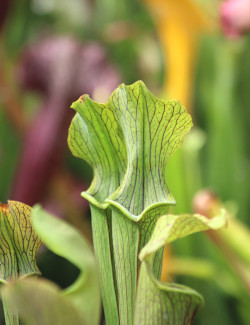
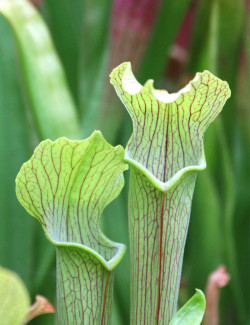
For certain species such as Dionaea or Sarracenia, the absence of winter dormancy leads to gradual exhaustion and can result in the plant's death. Check our guide on overwintering carnivorous plants for best practices by species.
Recognizing signs of decline
10 - What are the first signs of a problem?
Slowed growth, leaves turning yellow, turning black, drying out, or the appearance of mould are common signs of a growing problem.
11 - Can a plant recover after a problem?
Yes, if the problem is identified quickly. By correcting growing conditions, some plants can recover, though the damage is sometimes irreversible.
Going further
Most problems can be avoided by mastering the basics of growing. To fine-tune your conditions, check out our guides on water, substrate, and watering, which are the most determining factors.